
Showing 1–9 of 9 articles
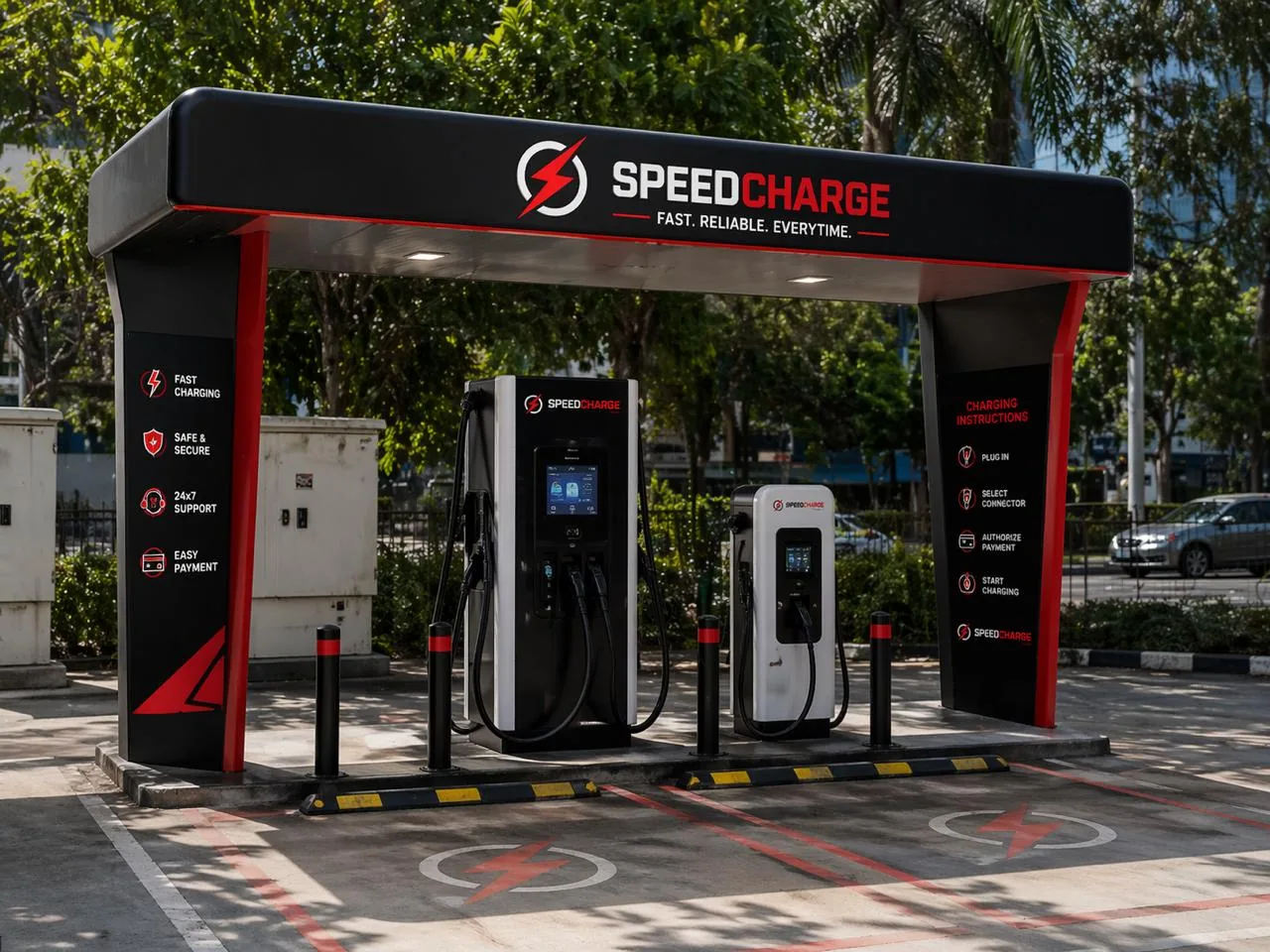
How Fleet Electrification in India Is Transforming Corporate Mobility
Corporate vehicle fleets offer a practical opportunity for EV adoption because businesses can measure routes, kilometres, parking time, fuel costs and charging requirements. This guide explains how companies can evaluate EV fleet TCO, charging infrastructure, leasing versus ownership, employee transport, financing and phased electrification.
 Charging Infrastructure
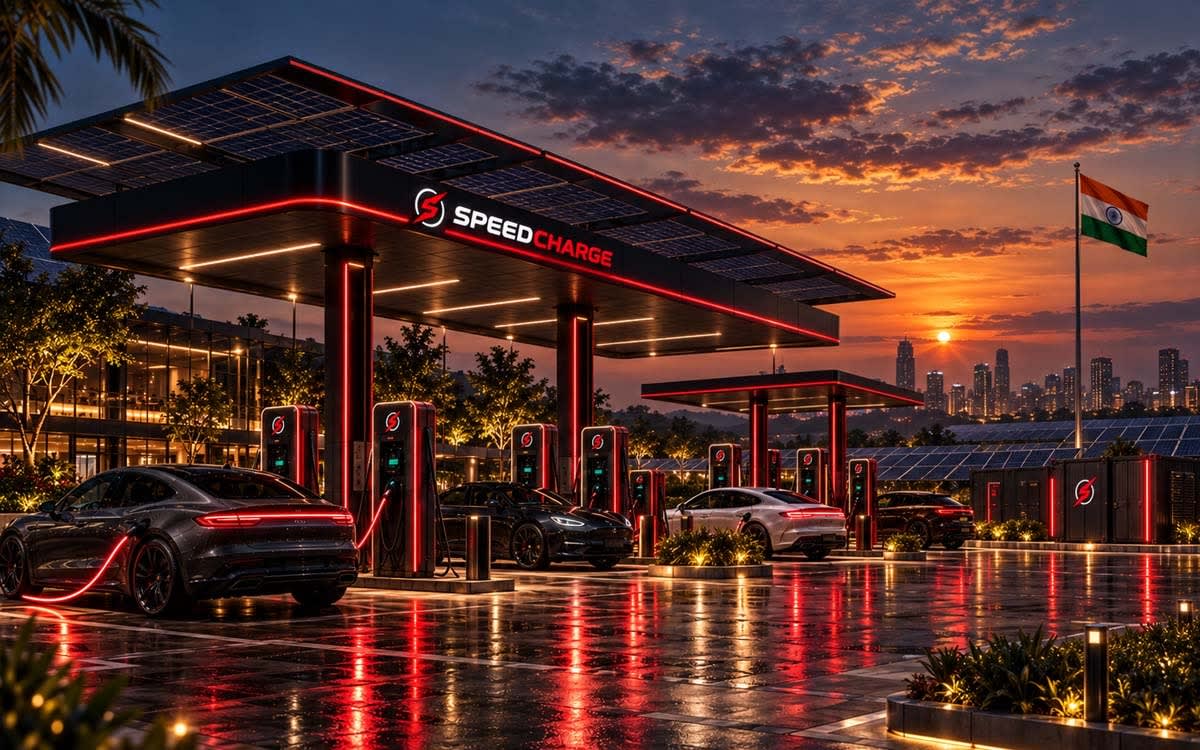
Solar powered EV charging: How Solar Charging Systems Impact Electric Vehicles
Solar charging can reduce an EV’s dependence on grid electricity, improve renewable-energy utilisation and potentially lower charging costs when generation aligns with vehicle demand. But solar panels do not directly change the battery’s charging limits. This guide explains the real impact on charging speed, battery health, cost, emissions and grid demand.
Fast charging vs slow charging: Which One Fits Your EV Lifestyle?
Fast and slow charging solve different problems for EV owners. This guide compares home AC charging, public DC fast charging, battery impact, charging time, convenience and cost to help commuters, apartment residents, highway travellers and fleet users choose the charging mix that best fits their lifestyle.
EV charging time: How Long Does It Take to Charge an EV in India?
How long an EV takes to charge depends on much more than the charger’s advertised kW rating. Battery size, starting charge level, vehicle power limits, AC onboard charging, DC charging curves and temperature all affect real charging duration. This guide explains how Indian EV owners can estimate it correctly.
EV Policies in India 2026: The Policies and Changes That Made Headlines
India's EV policy landscape changed significantly in 2026, led by Delhi's new policy, PM E-DRIVE implementation, State-level tax and charging incentives, and expanding public infrastructure. This guide separates genuinely new 2026 developments from older policies that remain active.
 Policy & Subsidies
Maharashtra EV Policy 2026: Subsidies, Charging Infrastructure & Impact Through 2030
Maharashtra's electric vehicle policy offers purchase incentives, motor-vehicle-tax benefits, toll exemptions, highway fast-charging support, EV-ready building provisions and ambitious EV adoption targets through 2030. This guide explains what buyers, businesses, RWAs and charging operators need to know.
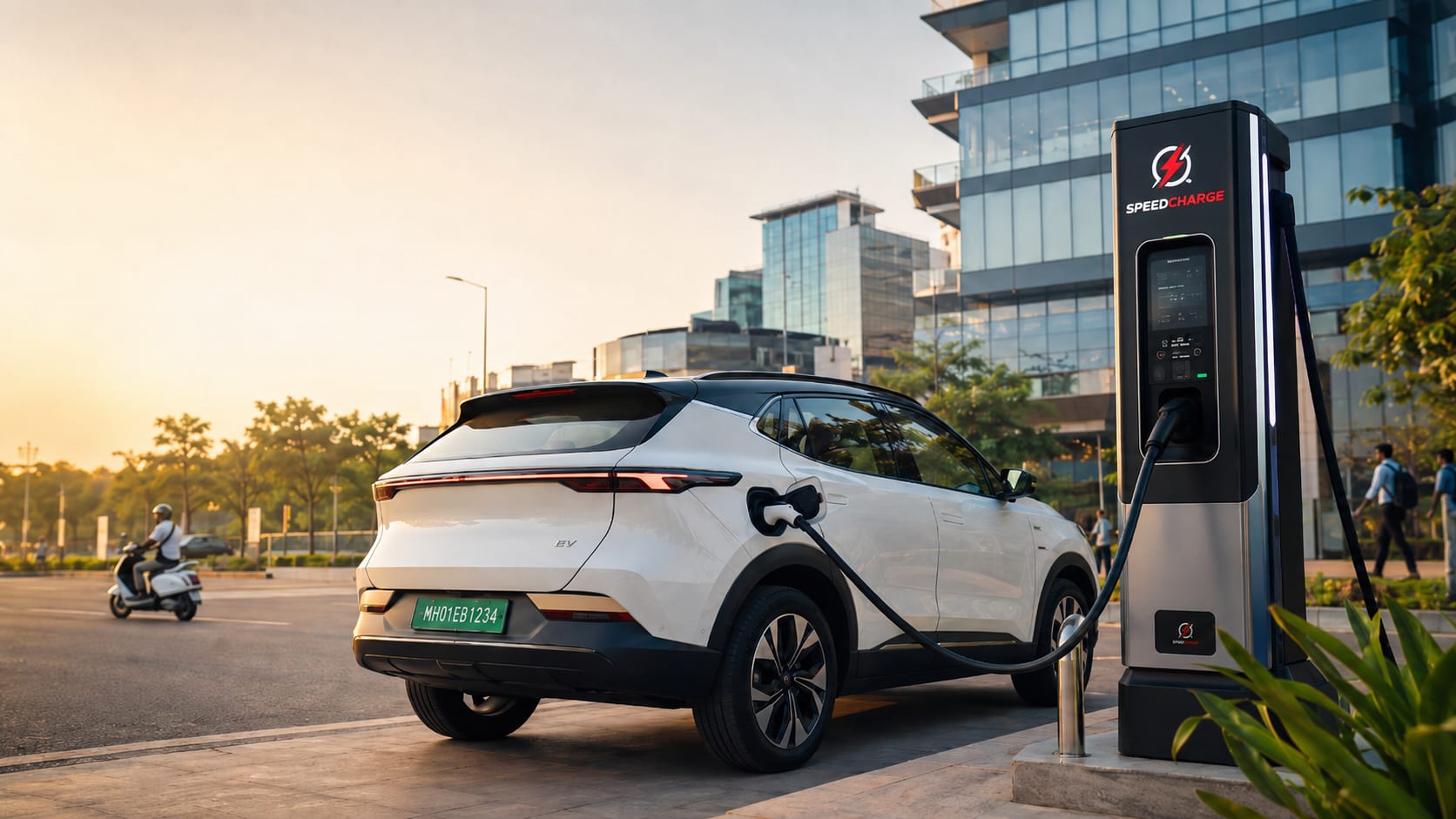
Delhi EV Policy 2026: Incentives, Charging Infrastructure & Impact
Delhi's new electric vehicle policy introduces purchase and scrapping incentives, road-tax benefits, charging-infrastructure measures and phased electrification mandates through 2030. This guide explains what EV buyers, fleets, RWAs, charging operators and businesses need to know.
 Policy & Subsidies
Future of Electric Vehicles in India: Opportunities and Challenges 2026–2030
India's electric mobility transition is moving from early adoption toward large-scale infrastructure, manufacturing and fleet deployment. This guide examines current EV policy, charging growth, battery localisation, grid readiness, business opportunities and the challenges that will shape India's EV market through 2030.
 Policy & Subsidies
EV Policy in India 2026: Subsidies, PM E-DRIVE & Charging Rules
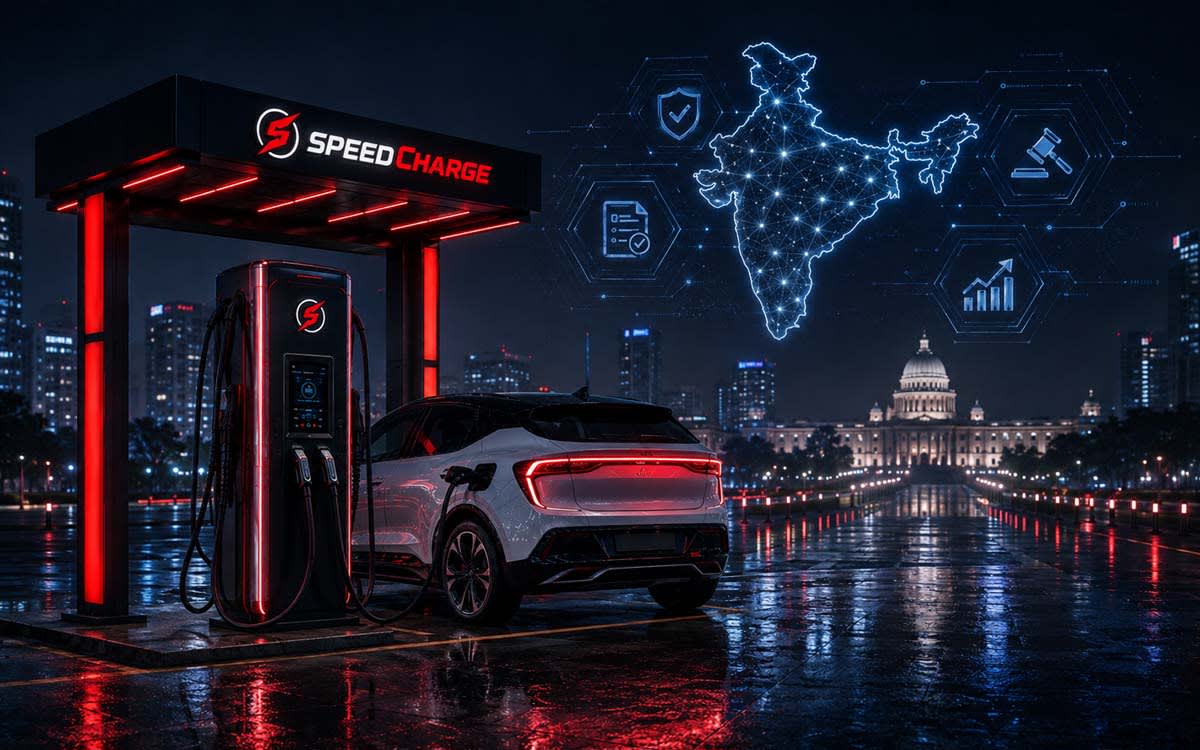
India's EV ecosystem is supported through multiple policies rather than one universal subsidy. This guide explains PM E-DRIVE, charging-infrastructure rules, vehicle incentives, state benefits, PLI Auto, battery manufacturing support and what EV buyers, charging operators and investors should verify before making a decision.
Frequently Asked Questions
1. What is the SpeedCharge EV Charging Blog?
The SpeedCharge EV Charging Blog provides guides and insights about EV charging in India, including charging stations, AC and DC charging, infrastructure, technology, installation, costs and electric mobility.
2. How can I find EV charging stations in India?
EV drivers can use a charging station locator to search for compatible charging locations. SpeedCharge provides information about supported EV charging stations and charging locations across India.
3. How does EV charging work?
An EV charger supplies electrical energy to an electric vehicle for battery charging. The charging process and speed depend on factors such as charger type, power output, vehicle compatibility, battery capacity and current state of charge.
4. What is the difference between AC and DC EV charging?
AC charging supplies alternating current that the vehicle converts through its onboard charger. DC fast charging converts power within the charging equipment and supplies DC power to compatible vehicles, enabling higher charging power.
5. How long does it take to charge an electric vehicle?
EV charging time depends on battery capacity, charger power, vehicle charging capability, state of charge, temperature and other conditions. DC fast chargers generally provide faster charging than lower-power AC chargers for compatible vehicles.
6. How much does EV charging cost in India?
EV charging costs in India vary according to the charging provider, station, electricity tariff, charger type and energy consumed. Drivers should check the applicable station pricing before starting a charging session.
7. What is EV charging infrastructure?
EV charging infrastructure includes charging equipment, electrical systems, charging locations, software and supporting network technology used to provide charging services for electric vehicles.
8. What is DC fast charging?
DC fast charging supplies direct current to compatible EV batteries using higher-power charging equipment. It is commonly deployed at public and commercial locations where faster charging is required.
9. Can EV chargers be installed at homes, apartments and businesses?
EV charging equipment can be installed at suitable residential and commercial locations where electrical capacity, parking, safety and other installation requirements can be met. Requirements vary according to the charger and site.
10. Where can I learn more about EV charging in India?
The SpeedCharge EV Charging Blog provides guides and articles about EV charging stations, infrastructure, charger technology, charging costs, installation, commercial charging and electric mobility in India.