
Showing 1–3 of 3 articles
 EV Technology
Vehicle to Grid in India: Is the EV Ecosystem Ready in 2026?
India already has several building blocks needed for V2G, including smart charging, bidirectional EVSE development, smart meters and policy recognition. This guide examines whether vehicles, chargers, utilities, regulations, battery warranties and commercial models are sufficiently mature for wider deployment.
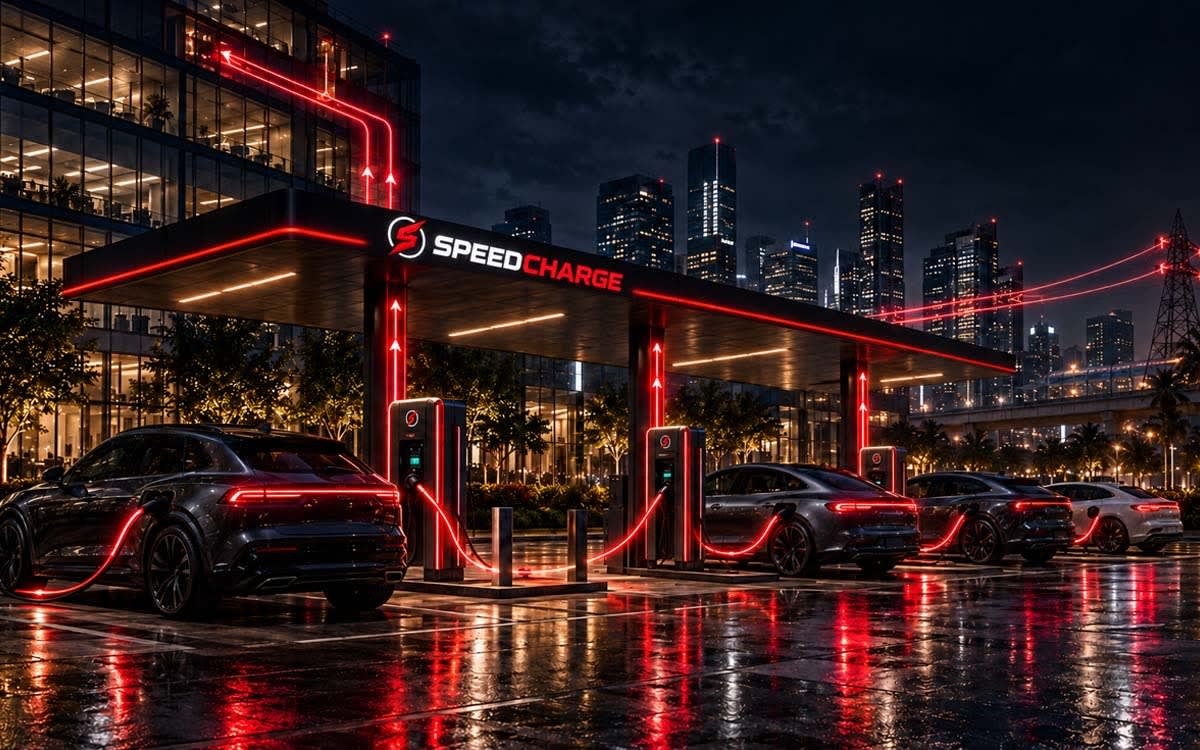
Bidirectional EV Charging: Is It the Next Big Thing for EV Owners in India?
Electric vehicles could eventually do more than consume electricity. This guide explains V2G, V2H and V2L, how two-way EV charging works, potential benefits for Indian owners, battery implications, equipment requirements, standards, safety considerations and how close India is to practical adoption.
 Charging Infrastructure
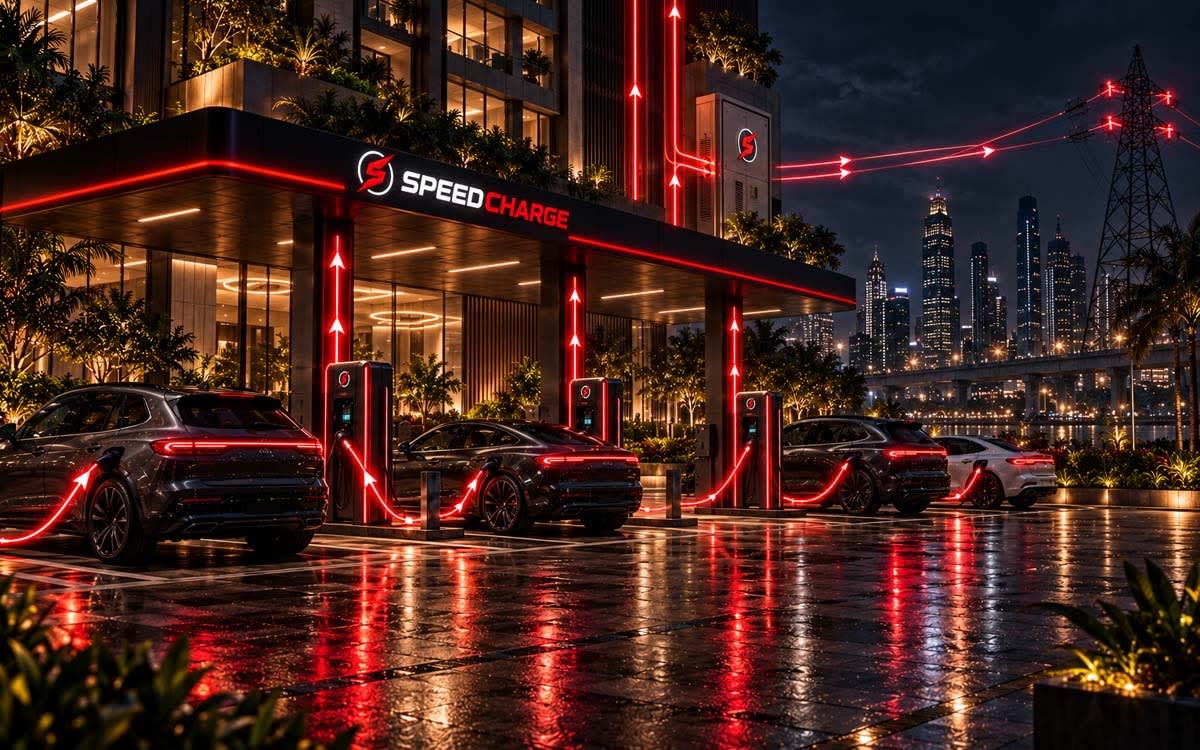
Vehicle to Grid (V2G) in India: Complete Guide 2026
Can an electric car send electricity back to a home or the power grid? This guide explains V2G, V2H and V2L, bidirectional charging technology, India's current regulatory position, battery implications, OCPP and ISO 15118-20, commercial use cases and how to prepare charging infrastructure for future bidirectional energy flows.
Frequently Asked Questions
1. What is the SpeedCharge EV Charging Blog?
The SpeedCharge EV Charging Blog provides guides and insights about EV charging in India, including charging stations, AC and DC charging, infrastructure, technology, installation, costs and electric mobility.
2. How can I find EV charging stations in India?
EV drivers can use a charging station locator to search for compatible charging locations. SpeedCharge provides information about supported EV charging stations and charging locations across India.
3. How does EV charging work?
An EV charger supplies electrical energy to an electric vehicle for battery charging. The charging process and speed depend on factors such as charger type, power output, vehicle compatibility, battery capacity and current state of charge.
4. What is the difference between AC and DC EV charging?
AC charging supplies alternating current that the vehicle converts through its onboard charger. DC fast charging converts power within the charging equipment and supplies DC power to compatible vehicles, enabling higher charging power.
5. How long does it take to charge an electric vehicle?
EV charging time depends on battery capacity, charger power, vehicle charging capability, state of charge, temperature and other conditions. DC fast chargers generally provide faster charging than lower-power AC chargers for compatible vehicles.
6. How much does EV charging cost in India?
EV charging costs in India vary according to the charging provider, station, electricity tariff, charger type and energy consumed. Drivers should check the applicable station pricing before starting a charging session.
7. What is EV charging infrastructure?
EV charging infrastructure includes charging equipment, electrical systems, charging locations, software and supporting network technology used to provide charging services for electric vehicles.
8. What is DC fast charging?
DC fast charging supplies direct current to compatible EV batteries using higher-power charging equipment. It is commonly deployed at public and commercial locations where faster charging is required.
9. Can EV chargers be installed at homes, apartments and businesses?
EV charging equipment can be installed at suitable residential and commercial locations where electrical capacity, parking, safety and other installation requirements can be met. Requirements vary according to the charger and site.
10. Where can I learn more about EV charging in India?
The SpeedCharge EV Charging Blog provides guides and articles about EV charging stations, infrastructure, charger technology, charging costs, installation, commercial charging and electric mobility in India.