

Electric vehicles are no longer a niche on Indian roads. As EV ownership grows across metro cities and highway corridors, hotels and restaurants that install EV charging stations are turning an empty parking spot into a guest magnet, a revenue stream, and a sustainability statement — all at once.
This guide breaks down everything a hotel owner, resort manager, or restaurant operator needs to know before choosing an EV charging station for hotels and restaurants: charger types, real costs, government incentives, billing models, and a step-by-step decision checklist.
What Are EV Charging Stations for Hotels & Restaurants?
An EV charging station for hotels and restaurants is a dedicated charging point installed in a property's parking area that lets guests, diners, or visitors charge their electric vehicles while they stay, dine, or attend an event. Unlike public highway chargers built purely for speed, hospitality charging is designed around dwell time — how long a vehicle is realistically parked.
A hotel guest staying overnight can use a slower AC charger without any inconvenience.
A restaurant customer having dinner for 60–90 minutes needs a faster charger to get meaningful range in that window.
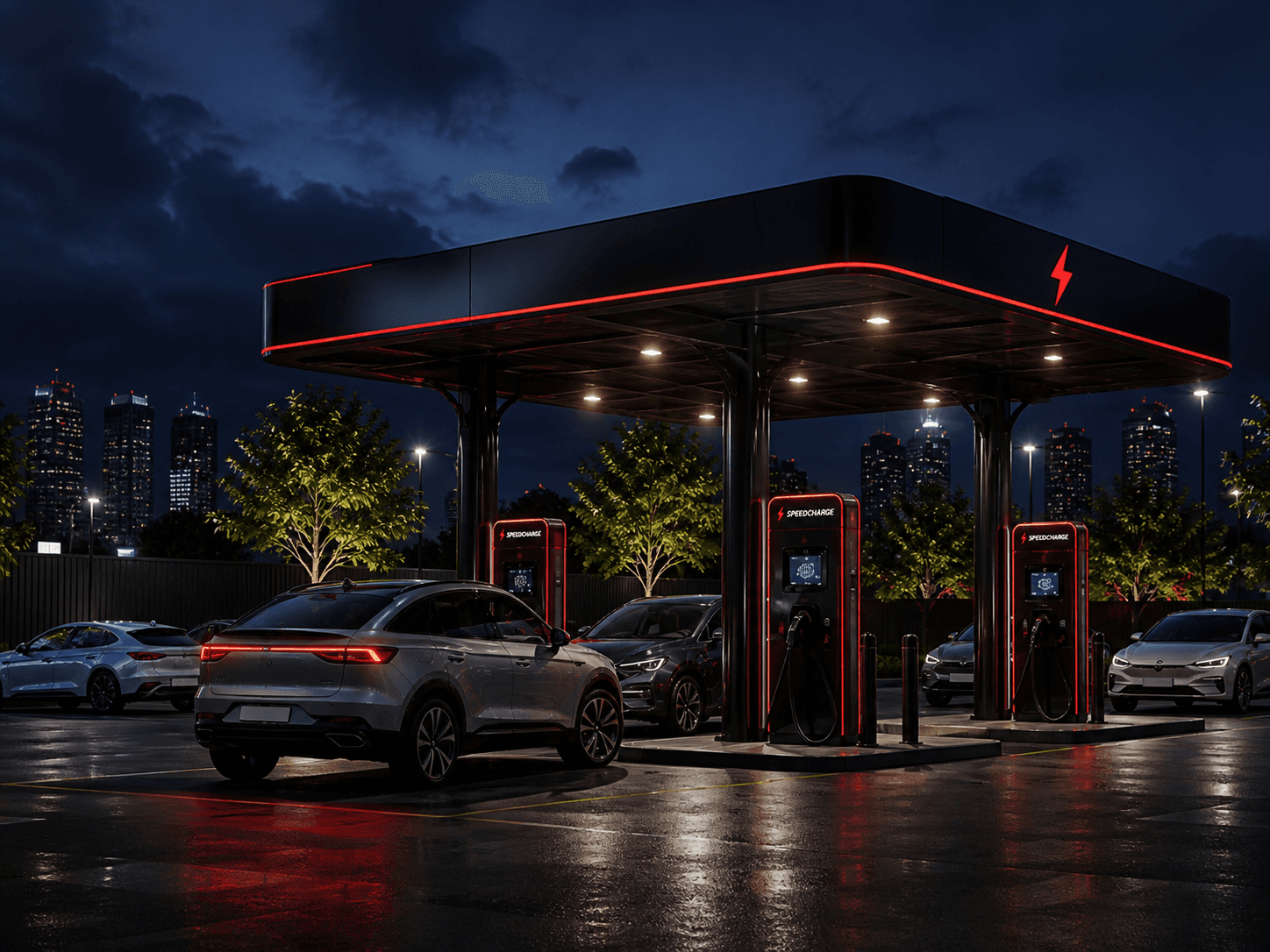
A highway hotel or dhaba-style restaurant on a national highway often needs a fast DC charger to serve EV drivers who are only stopping briefly.
This dwell-time-first thinking is the single most important idea behind planning EV charging for hospitality properties, and it shapes every decision below — from charger type to pricing model.
Why Hotels & Restaurants in India Need EV Charging Stations Now
India's EV parc is expanding quickly, but public charging infrastructure has not kept pace — the country still has only a fraction of the charging points it needs relative to the number of EVs on the road. This gap is exactly the opportunity hospitality businesses can capture.
Key reasons to act now:
Guest expectation is rising fast. EV owners increasingly filter their hotel and restaurant choices based on charging availability, the same way they once filtered by Wi-Fi or parking.
Highway hospitality gets first-mover advantage. A restaurant or hotel on a busy expressway with a working DC fast charger becomes the default stop for EV travellers on that route — often before competitors even notice the trend.
It increases dwell time and spend. A guest waiting for their car to charge is a guest who orders another coffee, browses the gift shop, or extends their stay.
Corporate and fleet business depends on it. Cab aggregators, corporate EV fleets, and airport transfer operators actively look for partner hotels and restaurants with reliable charging.
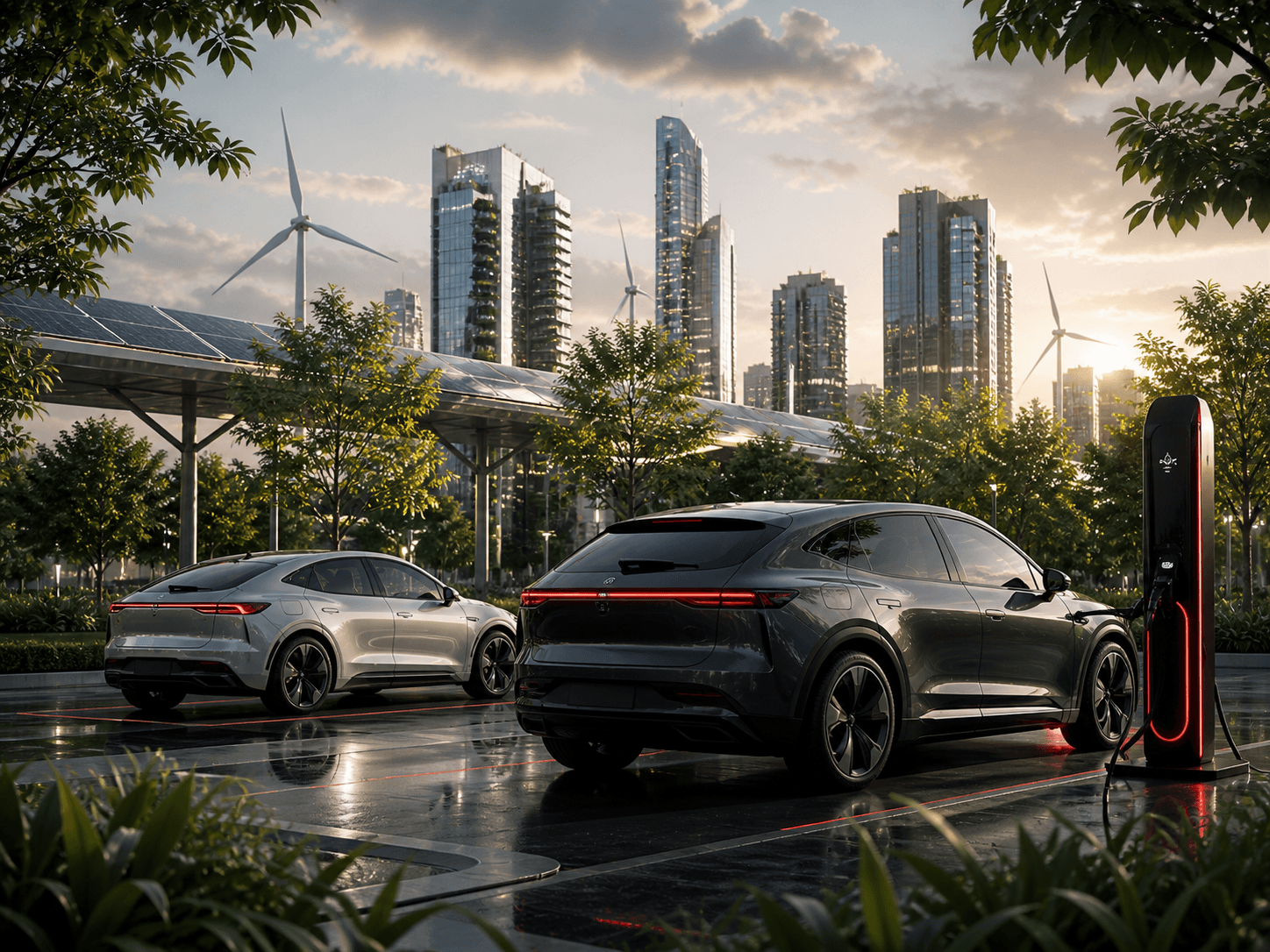
It is a genuine sustainability signal. For business travellers and corporate bookings, visible EV infrastructure supports ESG-conscious procurement decisions.
Unused parking becomes a revenue asset. A charging bay that would otherwise sit empty can generate direct income through per-unit billing.
Types of EV Chargers Suitable for Hotels & Restaurants
Choosing the right charger mix is the most technical — and most consequential — decision in this whole process. Here is how the main options compare for hospitality use cases.
AC Chargers (Level 2) — Best for Overnight & Long Dwell Time
7.4 kW AC Type 2: Ideal for boutique hotels, resorts, and staff or long-stay guest parking where charging speed isn't urgent. Lowest capital cost, minimal electrical upgrade needed.
22 kW AC Type 2: Better suited to premium hotels, banquet venues, or hotels with attached retail/mall space where guests are on-site for a few hours rather than overnight.
DC Fast Chargers — Best for Restaurants, Highway Hotels & Short Stops
30 kW DC Fast Charger: A practical entry point into DC charging for mid-size hotels and restaurants that want faster turnaround without the highest capex tier.
60 kW DC Fast Charger: The workhorse option for highway hotels, large restaurants, and premium stopover locations where EV drivers expect a meaningful charge within 30–45 minutes.
Which One Should You Actually Install?
Property type | Recommended charger mix |
|---|---|
City hotel, overnight stays | 7.4 kW or 22 kW AC |
Resort / destination property | 22 kW AC, optional 30 kW DC |
Standalone restaurant / dhaba | 30–60 kW DC |
Highway hotel with restaurant | AC for guest parking + 60 kW DC for highway/transit customers |
Business hotel / serviced apartment | 22 kW AC + fleet-billing setup |
Most properties with both overnight guests and walk-in restaurant traffic benefit from a mixed layout — AC for long-stay parking, DC for short-stay and highway-facing bays.
Benefits of EV Charging Stations for Hotels & Restaurants
Guest retention and loyalty: Charging availability influences repeat bookings, especially for EV-owning frequent travellers.
New revenue stream: Per-kWh billing recovers electricity cost and can generate a margin on top.
Higher footfall for restaurants: EV drivers actively route their stops around known charging locations.
Premium positioning: Charging infrastructure signals a modern, forward-looking property to corporate clients and event planners.
Fleet and cab partnerships: Airport transfer fleets, EV taxi operators, and corporate mobility programs prefer partner properties with dependable charging.
Marketing and listing advantage: Being listed on EV charging discovery apps and maps drives organic visibility to a completely new customer segment.
Cost of Installing EV Charging Stations at Hotels & Restaurants in India
Costs vary widely based on charger type, site readiness, and billing complexity. As a planning range (not a fixed quote):
Basic AC setup (2 chargers, 7.4–22 kW): Lower end of the spectrum — mainly charger hardware, bay marking, and basic electrical work.
DC fast charging setup (30–60 kW): Significantly higher, driven by the CCS2 charger cost, stronger electrical infrastructure, and commissioning work.
Software and billing layer: Charging Management System (CMS), OCPP backend, QR/UPI/RFID payment integration, and remote monitoring add to the cost but are essential for a guest-facing setup.
Site readiness: Sanctioned load upgrades, cabling distance from the panel, earthing, trenching, signage, and bay protection (bollards) are often underestimated line items.
Main cost drivers to budget for:
AC vs DC charger mix
Distance between parking bay and the electrical panel
Sanctioned load and transformer capacity
Billing and payment integration complexity
Ongoing AMC (annual maintenance contract) and uptime support
A useful procurement principle: don't choose a charger by price alone. The right decision depends on guest dwell time, site visibility (destination vs highway-facing), power availability, and whether charging serves guests, walk-in public users, or partner fleets.
Government Policies & Incentives for EV Charging in India
Indian policy has been actively encouraging exactly this kind of private investment in charging infrastructure:
Government guidelines now permit housing societies, malls, office complexes, restaurants, and hotels to install public charging stations (PCS) — including for visitors' vehicles, not just residents or guests.
The FAME (Faster Adoption and Manufacturing of Electric Vehicles) scheme has supported EV adoption and charging infrastructure rollout with dedicated budget allocations.
Several state EV policies offer capital subsidies, reduced electricity tariffs for charging points, or simplified approval processes for commercial charging installations — these vary by state, so it's worth checking your specific state's latest EV policy before finalising a budget.
Large hospitality chains are already setting the pace: the Indian Hotels Company (IHCL), India's largest hospitality brand, has installed charging stations at dozens of its properties across the country — a signal of where the segment is heading.
Payment & Billing Models for Guest and Visitor Charging
There is no single "correct" billing model — the right one depends on your property type and guest mix.
Free for guests: Common at premium hotels and resorts where charging is positioned as a value-added amenity rather than a revenue line.
Paid per kWh: The standard model for restaurants and highway properties where the EV driver isn't an overnight guest. Per-unit rates typically sit in a range that still feels reasonable compared to public fast-charging rates.
Included in room rate: Some hotels add a modest surcharge to "EV-friendly" room categories or packages, simplifying billing for both sides.
Hybrid model: Free for hotel guests, paid for walk-in public users or fleet partners — this is increasingly common for properties that want to serve both audiences without giving away margin on public charging.
For any paid model, a Charging Management System (CMS) with UPI, QR code, RFID, or app-based billing is what makes the experience seamless instead of a front-desk hassle.
Site Planning & Installation Checklist
Before requesting vendor quotes, walk through these four operational layers:
1. Electrical Readiness
Check sanctioned load, transformer capacity, LT panel readiness, cable distance to the parking bay, earthing, and protection devices.
2. Parking & Site Layout
Decide charger location, bay marking, cable reach, bollards, signage, access control, and how guest vehicle movement flows around the charging bay.
3. Software Layer (CMS/OCPP)
An OCPP-compliant CMS gives you uptime monitoring, remote diagnostics, tariff control, and session visibility — critical once you have more than one or two chargers.
4. Payment & Billing Flow
Decide upfront: UPI/QR, RFID card, app-based charging, front-desk manual billing, or fully free guest access.
Questions to ask before your first vendor conversation:
Will charging be free, paid, or hybrid?
Is this primarily for hotel guests, restaurant walk-ins, or fleet partners?
What's the realistic average dwell time at this specific property?
Is the site highway-facing or a destination stay?
Is power already available near the parking area, or does it need a fresh connection?
Best-Fit Property Types
EV charging delivers the strongest ROI for:
Highway hotels and restaurants
Resorts and premium destination stays
Business hotels and serviced apartments
Airport hotels and transit properties
Any property with large public parking areas
How to Choose the Right EV Charging Partner
Not every charging vendor understands hospitality-specific needs. When evaluating a partner, prioritise:
Experience with commercial/hospitality deployments, not just residential or fleet depots.
AC and DC capability, since most hotels and restaurants need a mixed setup rather than a single charger type.
CMS and OCPP support for remote monitoring and multi-charger management as you scale.
Local installation and AMC support, since uptime is what actually protects the guest experience — a charger that's frequently down is worse than no charger at all.
Flexible billing integration that matches your chosen payment model (UPI/QR/RFID/app).
This is where working with a charging partner who handles planning, installation, and ongoing uptime support — rather than just selling hardware — makes the biggest long-term difference.
Common Mistakes Hotels & Restaurants Make
Choosing a charger by price alone instead of matching it to actual guest dwell time.
Underestimating civil and electrical work — cable distance and panel upgrades often cost more than the charger itself.
Skipping the billing conversation upfront, leading to awkward front-desk workarounds later.
Installing only one charger type when a mixed AC/DC layout would serve both overnight guests and short-stay visitors better.
Ignoring signage and discoverability — a charger that guests can't find or don't know exists earns no goodwill and no revenue.
FAQs: EV Charging Stations for Hotels & Restaurants
Which EV charger is best for hotels? Hotels with overnight parking generally do well with 7.4 kW or 22 kW AC Type 2 chargers. Highway-facing hotels or high-footfall stopover properties should consider 30 kW or 60 kW DC fast chargers for quicker guest turnaround.
Which EV charger is best for restaurants? Restaurants typically have shorter customer dwell times than hotels, so a 30 kW or 60 kW DC fast charger usually makes more sense than a slower AC charger.
How much does it cost to install an EV charging station at a hotel or restaurant in India? Costs range from a modest investment for a basic AC setup to a considerably higher outlay for DC fast charging with full billing integration. The final number depends on charger type, sanctioned load, cabling distance, civil work, and the software/billing layer chosen.
Should hotels offer free or paid EV charging? Many premium hotels offer free charging as a guest amenity, while restaurants and highway properties more often use paid per-kWh billing since the EV driver isn't an overnight guest. A hybrid model — free for guests, paid for walk-ins — is a practical middle ground.
Can guests pay using UPI or QR code? Yes. With a CMS-backed charger and payment integration, hotels and restaurants can support UPI, QR code, RFID card, or app-based payments, or route billing through the front desk.
Do hotels and restaurants need government approval to install a public charging station? Government guidelines currently allow malls, office complexes, restaurants, and hotels to set up public charging stations for visitor vehicles, though specific approvals and incentives vary by state — it's worth checking your local state EV policy before installation.
What is the biggest factor in choosing between AC and DC chargers for hospitality? Guest dwell time. Overnight guests are well served by AC charging; short-stay restaurant customers and highway travellers need the faster turnaround that only DC fast charging can provide.
Conclusion: Turning Parking Into an EV-Ready Guest Experience
EV charging is quickly moving from "nice to have" to a genuine expectation for a growing segment of Indian travellers and diners. Hotels and restaurants that plan their charger mix around real guest dwell time — rather than copying a generic setup — get the best return: happier guests, new revenue from walk-in and fleet charging, and a durable competitive edge on highway corridors and in premium hospitality markets alike.
If you're evaluating EV charging stations for your hotel or restaurant, the right first step isn't picking a charger — it's mapping your guest dwell time, power availability, and billing preferences, and then choosing a charging partner who can execute on all three.
SPEED CHARGE