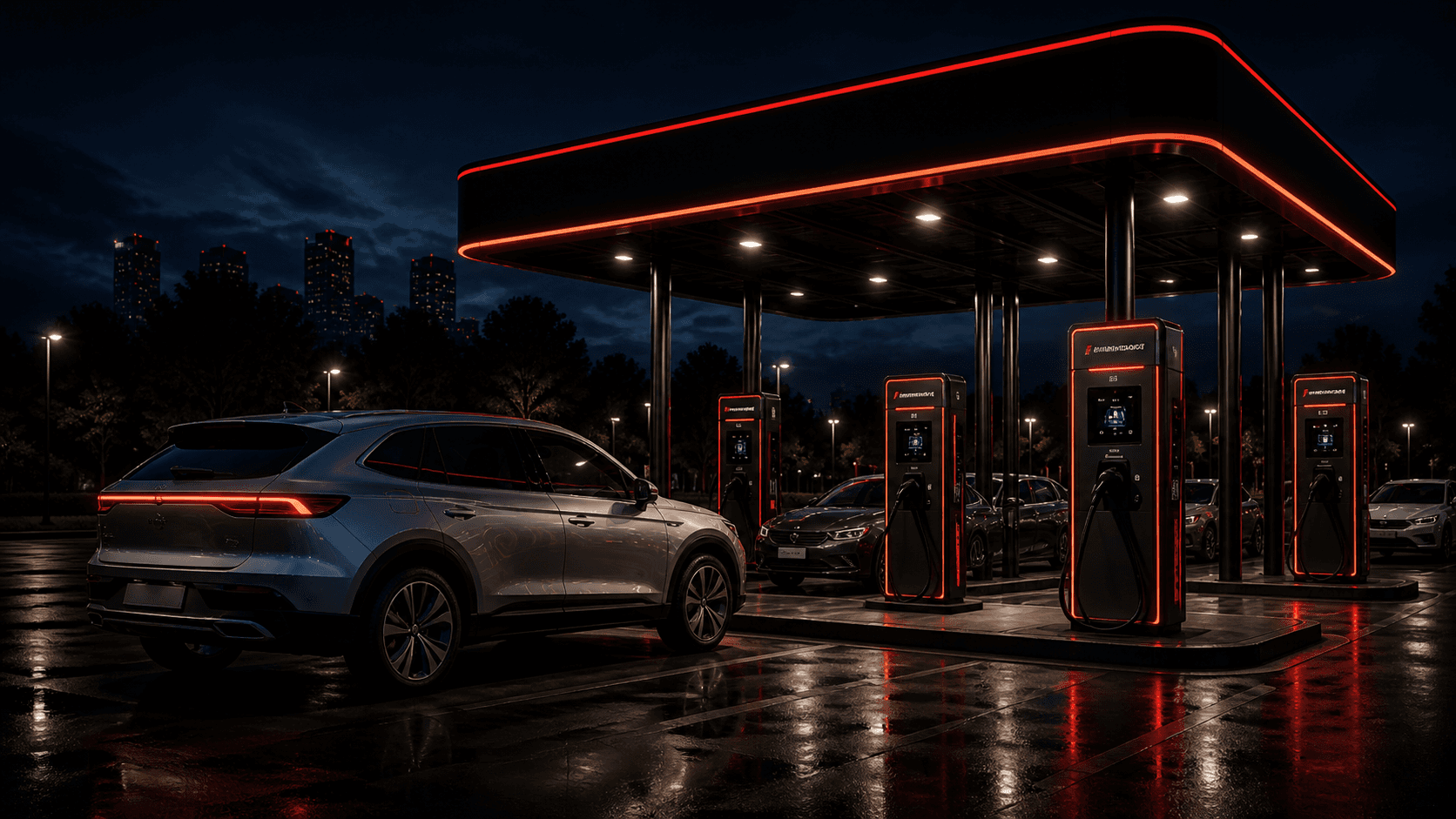

Short answer: yes, charging an EV in the rain is safe. Charging systems are specifically designed and tested for wet conditions, and multiple independent protections prevent current from flowing until a secure, sealed connection is confirmed. The genuine monsoon risks in India are not rain during charging; they are standing water, damaged equipment and improvised installations.
This guide explains why rain charging is safe, what the protections actually do, and which precautions are worth taking during an Indian monsoon.
Why rain charging is safe by design
The reassurance is not that manufacturers hope water stays out. It is that the system assumes water will be present and is engineered around that assumption.
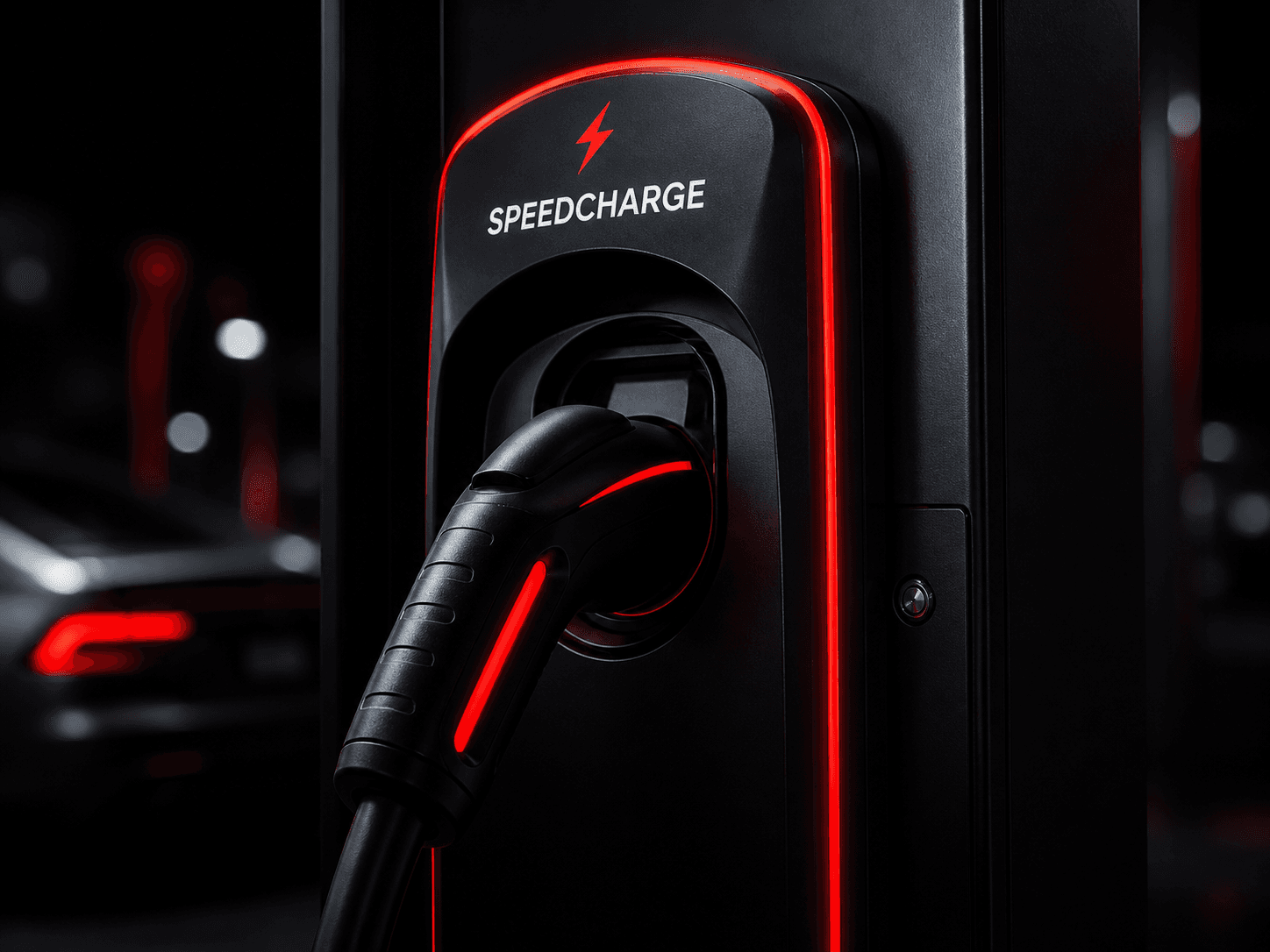
Charging connectors and inlets are designed and tested to defined ingress protection standards, meaning they are verified against water exposure rather than merely enclosed. The connector geometry places live contacts recessed and shrouded, so they are not exposed even when disconnected.
More importantly, the electrical connection is not live when you plug in. A sequence of checks runs before any significant current flows, and the system confirms a proper, secure connection first. If that confirmation fails, the charger simply does not energise.
The result is that the dangerous scenario people imagine, water bridging live contacts while you handle the cable, is prevented by design rather than by luck.
The protections, explained
The pilot signal
Before charging begins, the charger and vehicle exchange a control signal confirming that the connector is fully seated and the vehicle is ready. Power only flows after this handshake. Pull the connector partway out and the handshake breaks, stopping the current before the contacts separate.
Residual current detection
Charging circuits include protection that monitors for current leaking to earth, which is what would happen if a fault created an unintended path, for instance through water or through a person. Detection triggers a disconnect in a fraction of a second, well below the threshold for serious harm.
Earthing and insulation monitoring
Proper earthing gives fault current a safe route. Many charging systems additionally verify insulation integrity before and during a session, and stop charging if it degrades.
Physical sealing
Connectors seal when mated, and vehicle inlets include covers and drainage design. Charging equipment intended for outdoor use carries an ingress protection rating appropriate to that exposure.
Thermal monitoring
Connectors monitor temperature and reduce or stop current if a poor connection causes heating. This matters in wet conditions because corrosion from repeated exposure is one of the few realistic paths to a degraded connection over time.
Understanding IP ratings
Ingress protection ratings appear on charging equipment as two digits. The first describes protection against solids such as dust; the second describes protection against water.
For Indian outdoor conditions, the water digit matters most. Higher values indicate protection against progressively more demanding exposure, from dripping water through spraying and jetting. A unit rated only for light exposure will not survive monsoon rain driven horizontally by wind, which is the realistic test in much of India.
The dust digit matters more than buyers expect, because dry-season dust accumulation followed by monsoon moisture is a combination that degrades poorly sealed equipment quickly.
Practical advice: for any outdoor installation in India, specify equipment rated for heavy water exposure and full dust protection, and confirm the rating applies to the whole assembly rather than only to the enclosure. A well-sealed box with a poorly sealed cable entry is not protected.
The real monsoon risks
Rain itself is not the hazard. These are.
Standing water and flooding
This is the genuine concern. Charging equipment is designed for rain, not for submersion. Water rising to the level of a charging unit, a socket or a distribution board creates a real hazard, and waterlogging is a routine monsoon occurrence in many Indian cities.
Do not charge a vehicle standing in water. Do not operate a charger whose base is submerged. Do not approach flooded electrical equipment to disconnect it; isolate the supply upstream first if it is safe to do so.
Damaged cables and connectors
A cable with damaged insulation, a cracked connector housing or a bent pin compromises the protections described above. Damage often goes unnoticed because it develops gradually through being driven over, trapped in doors or dropped on concrete.
Improvised installations
Extension cords run across wet ground, domestic sockets pressed into service outdoors, connections wrapped in plastic bags, and unearthed circuits. This is where actual incidents originate, and monsoon conditions make an already unsafe arrangement considerably worse.
Corroded or poorly maintained equipment
Repeated wetting and drying, particularly in coastal areas with salt in the air, corrodes contacts over time. Corroded contacts have higher resistance, which produces heat, which accelerates degradation further.
Practical monsoon precautions
- Inspect the cable and connector before charging. Cracks, exposed conductor, bent pins or discolouration mean stop using it.
- Keep the connector off the ground. Water and grit in the connector cause corrosion and poor contact. Use the holster.
- Never charge in standing water, whether around the vehicle or the charger.
- Check the charge port for water pooling before connecting, and wipe it if wet.
- Close the charge port flap when not charging. It is a seal, not decoration.
- Do not force a connector that will not seat. Resistance usually means debris or misalignment.
- Prefer covered charging where available, mainly to reduce cumulative exposure rather than because rain charging is unsafe.
- Ensure your installation is properly earthed with residual current protection. Have it verified before monsoon rather than during.
- Avoid extension cords outdoors, which defeat the protections built into a proper installation.
Driving an EV through water
A separate question that arises every monsoon.
Electric vehicles are generally well sealed, and the high-voltage system is isolated and monitored, with protections that disconnect it if insulation integrity fails. In flood-related terms this compares reasonably with combustion vehicles, which have their own vulnerabilities including air intake ingestion.
That said, no vehicle should be driven through deep water. Manufacturers specify a maximum wading depth, and exceeding it risks damage regardless of drivetrain. Moving water is considerably more dangerous than its depth suggests, and the most common flood outcome for any vehicle is a stalled car in a rising situation.
If a vehicle has been submerged or partially submerged, do not attempt to charge it. Have it inspected first. Water intrusion into the battery enclosure or charging circuitry is a genuine hazard that is not visible externally.
What operators should do for the monsoon
For anyone running charging infrastructure, monsoon preparation is largely about site design and maintenance.
- Elevate equipment above the local flood line. Knowing that line requires local knowledge, not a drawing.
- Ensure drainage so water does not pool around unit bases. This is the most common site failure.
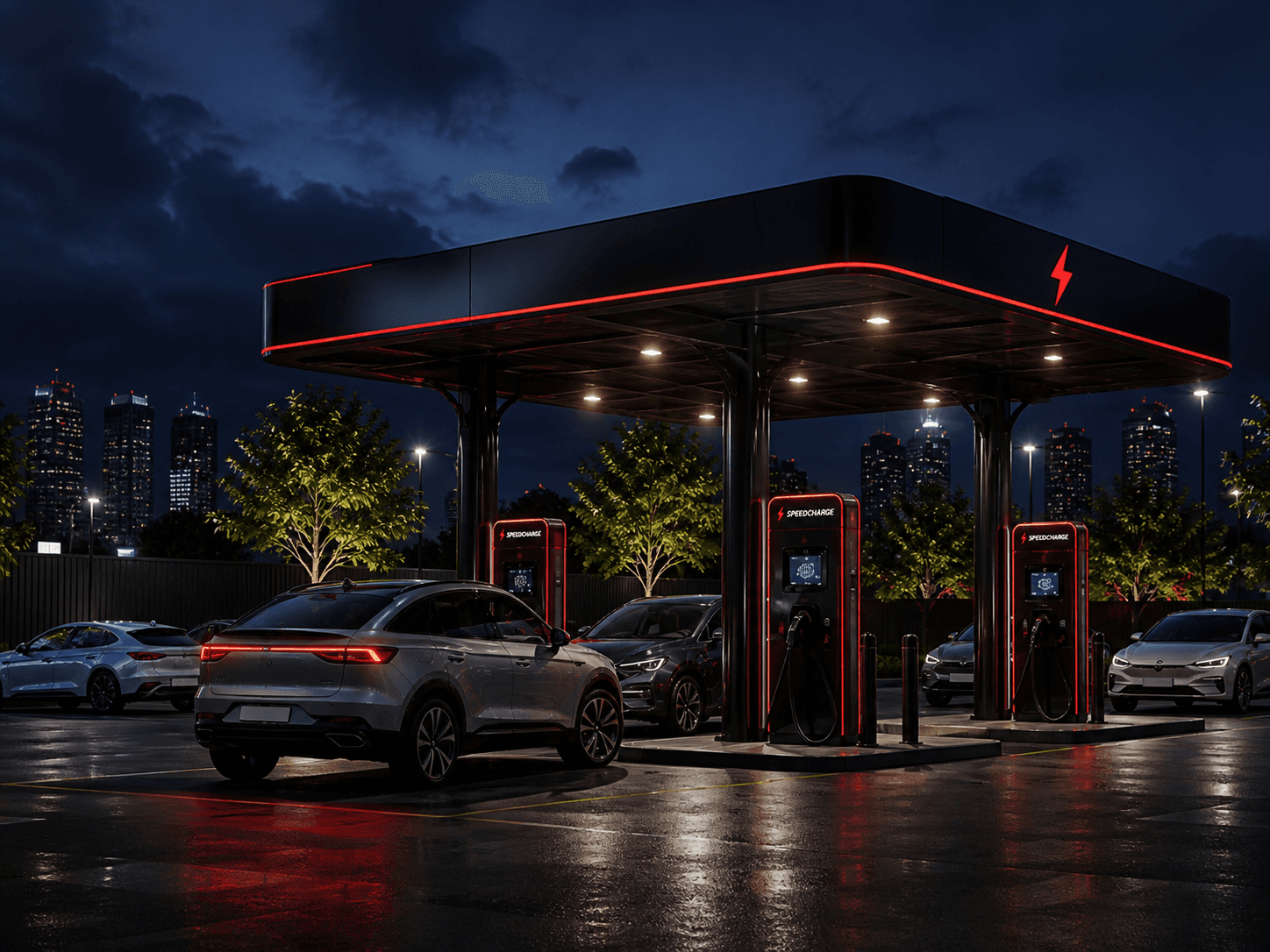
- Provide covered bays where possible. It improves usability as much as safety, since drivers avoid sites where they get soaked.
- Inspect cables frequently during monsoon months. Public cables take heavy handling and damage accumulates.
- Check earthing and residual current protection before the season, and test rather than assume.
- Watch for corrosion in coastal locations, where salt accelerates degradation substantially.
- Have a shutdown procedure for flood warnings, including how to isolate supply safely.
- Light the site well. Monsoon means dark afternoons and poor visibility, and lighting affects both safety and usage.
Two-wheelers need more care, not less
Almost all monsoon charging guidance addresses cars, while the vehicles most exposed to monsoon risk are electric two-wheelers, and for structural reasons rather than technical ones.
Scooters are frequently parked in the open with no cover. Their chargers are portable units often used with ordinary domestic sockets rather than fixed installations. Many owners have no dedicated parking, so charging happens wherever a socket can be reached, which during monsoon means cables run across wet ground. And removable batteries are commonly carried indoors and charged in living spaces or on stairwells.
Each of these sidesteps the protections built into a proper fixed installation. A portable charger plugged into an unearthed domestic socket, with a cable lying in standing water, is a genuinely hazardous arrangement, and it is extremely common.
Practical advice for two-wheeler owners: charge under cover wherever possible. Use the charger supplied with the vehicle rather than a cheaper aftermarket unit. Ensure the socket you use is properly earthed and ideally protected by a residual current device. Keep the charger itself off the ground and out of the rain, since portable units are usually far less weather-resistant than the vehicle. Never run a cable through standing water. And if charging a removable battery indoors, do it in a ventilated area away from exits, not in a stairwell or corridor.
For societies and employers, providing a small number of covered, properly installed two-wheeler charging points is one of the highest-value monsoon safety interventions available, because it directly displaces the improvised arrangements described above.
After a flood: what to check
If charging equipment has been exposed to flooding, treat it as compromised until verified otherwise.
Do not simply switch it back on. Water may have entered enclosures, cable glands or the distribution board feeding the unit, and the damage is frequently invisible externally.
Isolate the supply at the distribution board before inspecting anything, and only if it is safe to reach.
Have a licensed electrician inspect the installation, including insulation resistance testing, earthing continuity and the operation of residual current protection. These are measurable properties, not visual judgements.
Check the vehicle separately. A vehicle that stood in water needs its own inspection regardless of the charger's condition, and it should not be charged until that is done.
Document the exposure for warranty and insurance purposes, including water level marks and dates, since flood damage is frequently excluded or disputed.
Equipment that has been submerged should generally be replaced rather than dried and reused. Corrosion inside connectors and terminals develops over subsequent weeks and produces failures that are hard to diagnose later.
Common misconceptions
"You can get an electric shock charging in rain." The connection is not energised until a sealed, verified connection is confirmed, and residual current protection disconnects within a fraction of a second if a fault path develops.
"EVs are more dangerous than petrol cars in floods." Both have serious flood vulnerabilities. EV high-voltage systems are isolated and monitored with automatic disconnection on insulation failure. Neither should be driven through deep water.
"Charging is slower in the rain." Rain does not affect charging speed. Temperature does, and monsoon conditions are usually moderate, which is generally favourable for battery charging.
"You should unplug during a thunderstorm." Properly installed charging equipment includes appropriate protection. Surge protection at the installation is worth having in areas prone to lightning, which is an installation specification rather than a daily behaviour.
Battery and range in monsoon conditions
Beyond safety, monsoon affects how the vehicle performs, and knowing what is normal prevents unnecessary worry.
Range typically drops somewhat. Wet roads increase rolling resistance, headlights and wipers run continuously, demisting and air conditioning are used more, and traffic in flooded cities moves in stop-start patterns. None of these indicate a fault; they are the same effects a combustion vehicle experiences as reduced fuel economy.
Charging speed is generally fine. Batteries charge best in moderate temperatures, and monsoon conditions are usually cooler than peak summer, which if anything helps.
Regenerative braking may feel different on wet surfaces, since traction control limits how much regeneration can be applied without losing grip. This is deliberate and appropriate.
Humidity affects the cabin more than the battery. Persistent condensation inside the vehicle is worth addressing for comfort and for interior condition, but it is not a drivetrain concern.
A practical habit for the season is keeping the state of charge a little higher than usual. Traffic delays and diversions during heavy rain are common, and arriving somewhere with margin is more comfortable than recalculating a route around flooded roads with a low battery.
Key takeaways
- Rain charging is safe by design; power flows only after a verified, sealed connection.
- Residual current protection disconnects in a fraction of a second if a fault path develops.
- The real monsoon risks are standing water, damaged cables and improvised installations.
- Never charge a vehicle or operate a charger standing in water.
- Specify high ingress protection for outdoor Indian installations, covering the whole assembly.
- Do not charge a vehicle that has been submerged; have it inspected first.
- Operators should elevate equipment, ensure drainage, and test earthing before the season.
The anxiety about rain and EVs is understandable and largely misplaced. Charging systems assume water. What they do not assume is submersion, damaged equipment or an extension cord across a wet floor, and those are the things worth attending to before each monsoon.
Frequently Asked Questions
Is it safe to charge an electric car in the rain?
Yes. Charging connectors and inlets are designed and tested for water exposure, contacts are recessed and shrouded, and power only flows after the charger and vehicle confirm a secure sealed connection. Residual current protection disconnects within a fraction of a second if any fault path develops.
Can you charge an EV during a thunderstorm?
Yes. Properly installed charging equipment includes appropriate electrical protection. In areas prone to lightning, surge protection should be specified as part of the installation, which is a design decision rather than something to manage daily.
What happens if an EV charger is flooded?
Charging equipment is designed for rain, not submersion. Never operate a charger whose base is in standing water and never charge a vehicle standing in water. Do not approach flooded electrical equipment to disconnect it; isolate the supply upstream first if it is safe to do so.
What IP rating should an outdoor EV charger have in India?
Specify protection against heavy water exposure and full dust ingress, and confirm the rating applies to the complete assembly rather than only the enclosure. Indian conditions combine dry-season dust with wind-driven monsoon rain, which degrades poorly sealed equipment quickly, especially at cable entries.
Can you drive an electric car through flood water?
No vehicle should be driven through deep water. EVs are generally well sealed with isolated, monitored high-voltage systems that disconnect on insulation failure, but manufacturers specify maximum wading depths and exceeding them risks damage. Moving water is far more dangerous than its depth suggests.
Should I charge my EV if it has been in a flood?
No. Have the vehicle professionally inspected first. Water intrusion into the battery enclosure or charging circuitry is a genuine hazard and is not visible from outside, so charging a previously submerged vehicle risks a serious fault.
Does rain slow down EV charging?
No. Rain has no effect on charging speed. Temperature does affect it, and monsoon conditions are usually moderate, which is generally favourable for battery charging compared with peak summer heat.