
The Future of Electric Vehicles in India: Opportunities and Challenges
The future of electric vehicles in India is being decided right now, on three fronts at once: how fast prices fall, how quickly reliable charging spreads beyond the metros, and whether the power grid can carry the load. With more than 3.2 million EVs already on Indian roads as of 2024 and the EV charging market projected to reach Rs. 1.8 trillion by 2030, the direction is set. The pace is not. This article is for anyone trying to read past the headlines, whether you are weighing your first EV, running a business that touches mobility, or watching the sector as an investor. By the end you will understand the real opportunities, the genuine obstacles, and what has to happen for the optimism of 2025 to become everyday reality.
What the future of electric vehicles in India actually looks like
The future of electric vehicles in India is a steady shift from early-adopter curiosity to mainstream default, driven by falling battery costs, expanding fast-charging networks, and government policy support, but held back by uneven charging access, grid reliability, and upfront price. It is less a single leap and more a decade-long climb, faster in metros, slower in smaller towns.
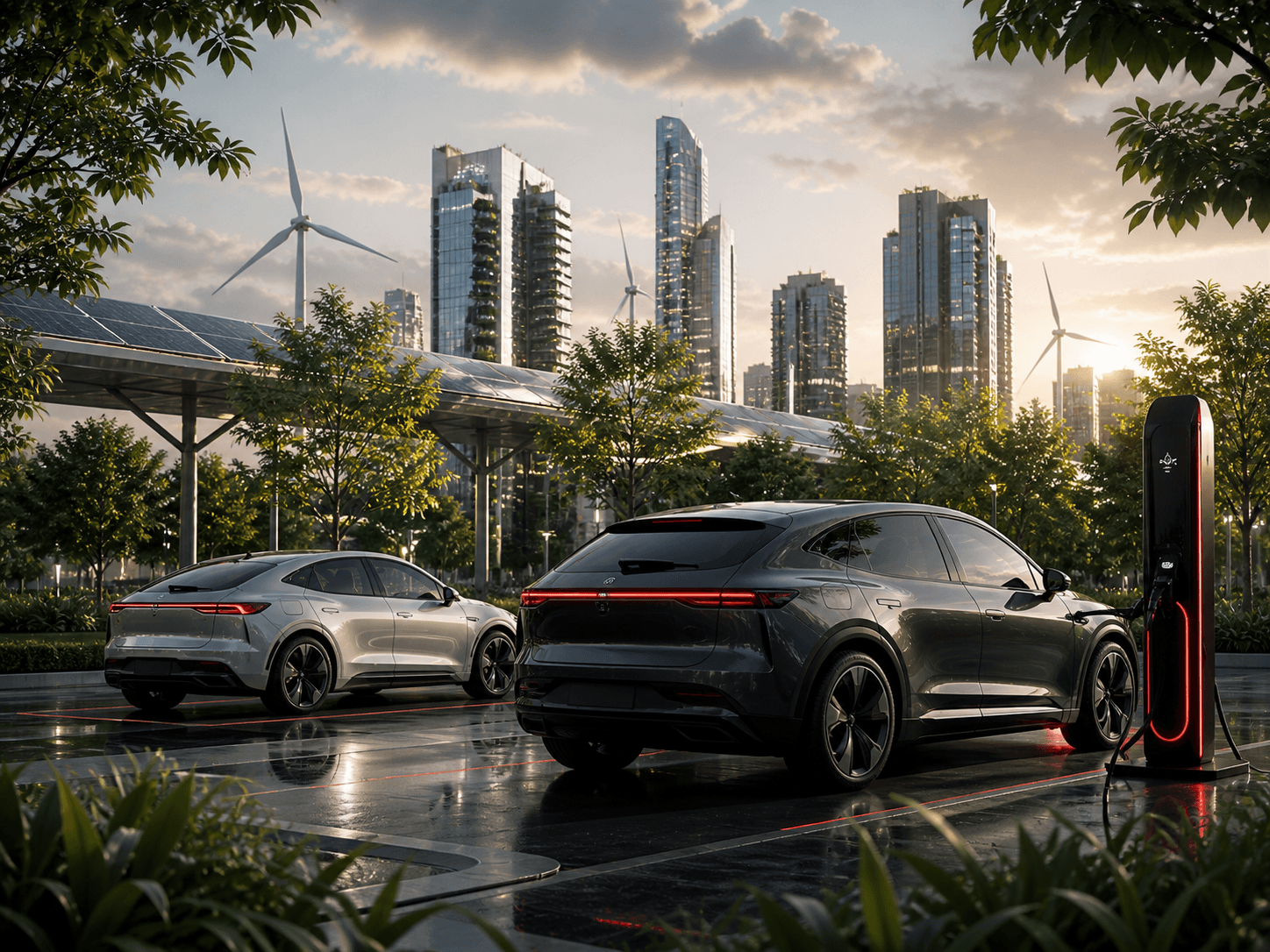
That climb is already visible in the kinds of EVs Indians buy. The market is not one thing. It spans electric two-wheelers that now dominate urban delivery fleets, three-wheelers replacing diesel autos, and a growing line of passenger cars like the Tata Nexon EV, MG Windsor, Hyundai Creta EV, and BYD Atto 3. Each of these vehicles charges differently and needs different infrastructure, which is exactly why the future depends less on the cars themselves and more on everything around them. A car is a one-time purchase. Charging is a daily relationship.
The opportunities driving EV adoption in India
The case for electric vehicles in India rests on forces that are strengthening year after year, not weakening. Understanding them matters whether you are deciding to buy, planning a business around mobility, or judging how durable this transition really is. These are not abstract trends. Each one changes the math for a specific person: the commuter calculating monthly fuel savings, the fleet operator cutting running costs, the landowner eyeing a new income stream. The opportunities below are the reasons the shift is unlikely to reverse.
Running costs that fundamentally change the ownership equation
The single most persuasive argument for an EV in India is what it costs to run, not what it costs to buy. Charging an electric car overnight at home is dramatically cheaper per kilometre than filling a petrol tank, and with petrol prices staying high across most Indian cities, the gap compounds every month. For a daily commuter covering 40 to 60 kilometres in a metro, the fuel saving alone can offset a meaningful share of the EV price premium within a few years. For commercial fleets, last-mile delivery operators, and ride-hailing drivers covering far more distance, the savings are not a nice-to-have. They are the core reason the switch happens at all.
Government policy that lowers the barrier to entry
Policy support is one of the clearest tailwinds behind EV adoption in India. Schemes like FAME II and the PM e-DRIVE programme have reduced upfront costs for buyers, GST relief on EV purchases keeps prices competitive against petrol equivalents, and BEE star ratings give buyers a way to compare charger efficiency. State electricity boards such as BESCOM in Karnataka and MSEDCL in Maharashtra have built specific support pathways for EV charging grid connections. For an entrepreneur evaluating the sector, this policy backing is significant: it signals that EV charging infrastructure sits in a category the government actively wants to grow, which de-risks long-term investment.
A charging network that is finally maturing
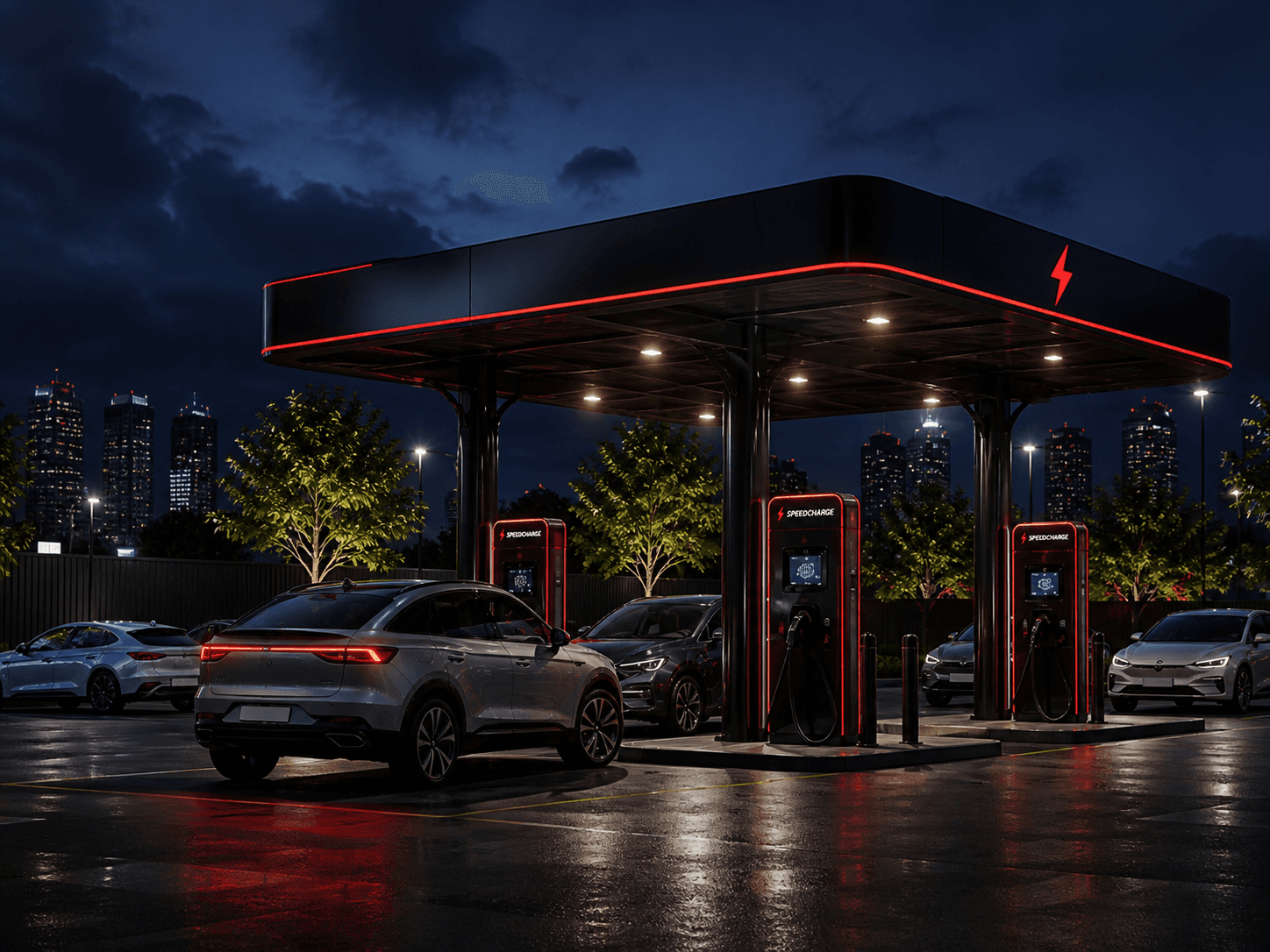
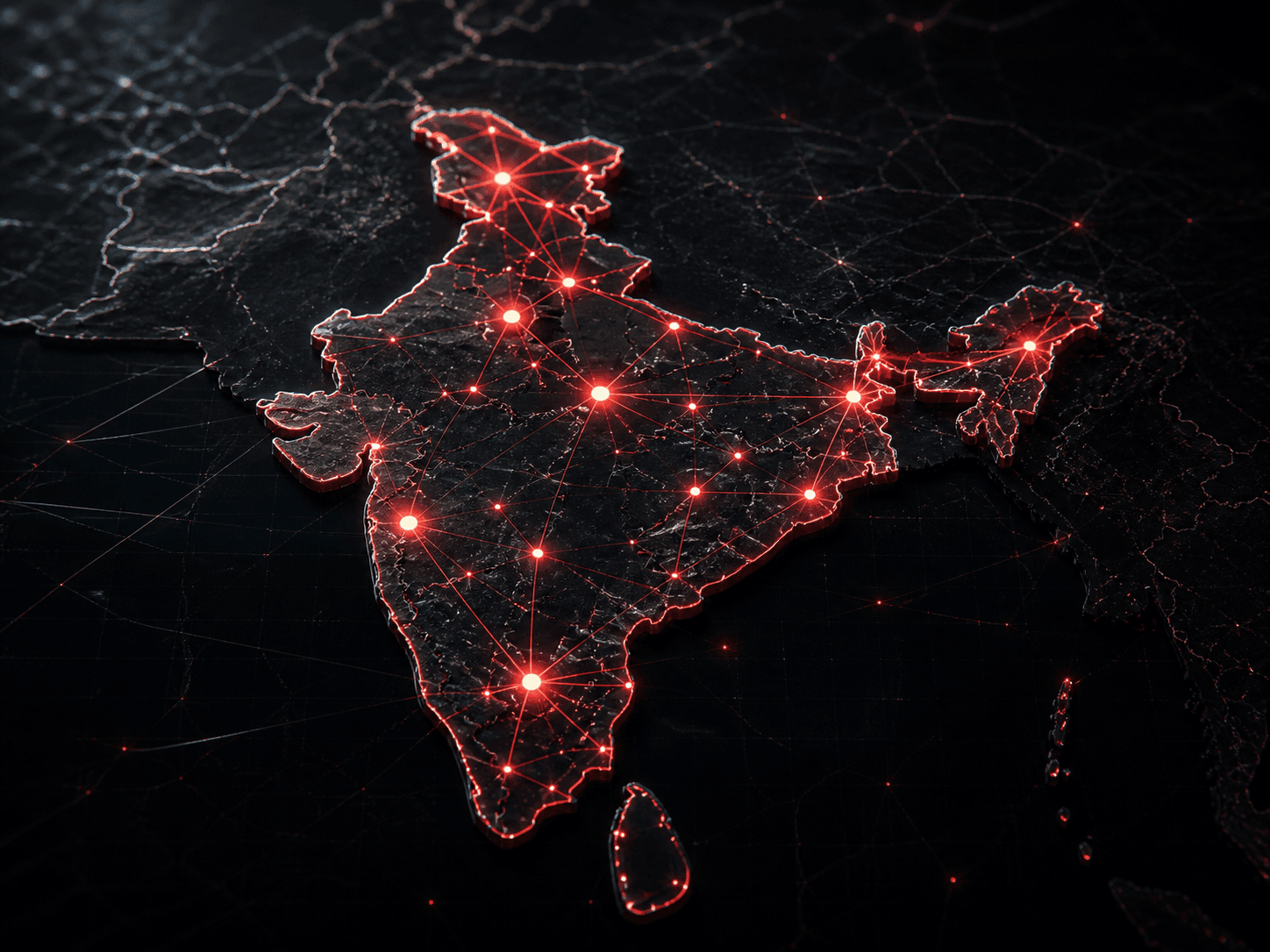
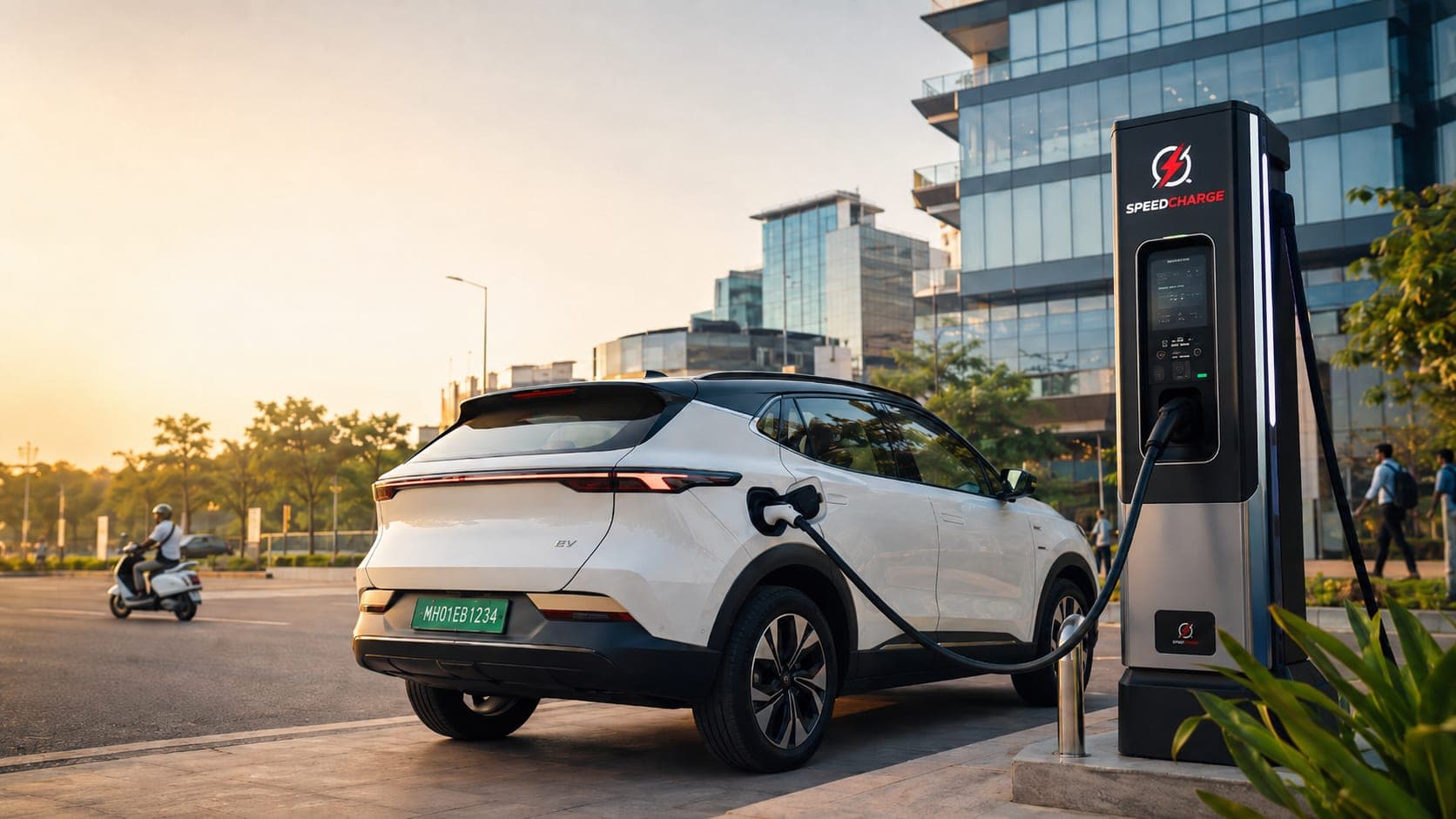
Range anxiety, the fear of running out of charge with no station in reach, has been the biggest single barrier to EV adoption in India, especially for travel between cities. That barrier is now being dismantled corridor by corridor. Networks are expanding from dense metro clusters out onto national highways, where ultra-fast DC chargers of 150 kW and above let a driver add meaningful range in a coffee break rather than an overnight stop. Operators such as SpeedCharge, which runs more than 2,500 live charging points across 45-plus cities with 99.9% network uptime, are part of this build-out, extending reliable charging into the gaps where confidence used to break down.
A genuine business and investment opportunity
The expansion of charging infrastructure has created a sector that ordinary entrepreneurs, not just large energy companies, can enter. As more EVs hit the road, demand for accessible, reliable charging grows in parallel, and that demand has to be met by physical stations in real locations: highways, malls, office parks, fuel station forecourts, and residential societies. For a landowner with a well-placed plot or a salaried professional seeking a second income, EV charging has become one of the few infrastructure plays with a clear policy tailwind behind it. The opportunity is real, but, as the challenges below show, it rewards diligence over enthusiasm.
The challenges still slowing the EV transition
Every honest assessment of the future of electric vehicles in India has to sit with the obstacles, because they are the reason adoption has not moved faster despite strong fundamentals. These are not reasons to dismiss EVs. They are the specific friction points that determine how soon the transition reaches a given buyer, city, or business. Anyone making a decision in this space, whether a purchase or an investment, needs to weigh these as carefully as the opportunities.
Upfront price remains the first hurdle for most buyers
The purchase price of an EV in India is still higher than a comparable petrol vehicle, and for a price-sensitive market that single fact stops many buyers before they reach the running-cost argument. The savings arrive over years; the higher cheque is due today. This is the core tension of EV affordability in India. It is narrowing as battery costs fall and the market scales, but until price parity arrives across more segments, upfront cost will keep adoption concentrated among buyers who can absorb the premium and recover it through high usage.
Charging access is deeply uneven across the country
A reliable charging network exists in pockets, not everywhere, and that unevenness shapes who can realistically own an EV. In metros, public charging and home installation are both increasingly viable. In Tier 2 and Tier 3 cities such as Jaipur, Lucknow, Coimbatore, and Nagpur, where aspirational EV demand is rising fast, charging coverage often lags behind interest. For flat-dwellers in Mumbai, Bengaluru, and Pune, the problem is sharper still: apartment complexes frequently lack the dedicated parking and sanctioned electrical load needed for a home charger, pushing residents to depend entirely on public charging that may not yet be dense enough.
Grid reliability and power infrastructure
The future of EV charging in India runs straight into the realities of the power grid. Voltage fluctuations, load-shedding in smaller cities, and variable DISCOM reliability all affect whether a charger stays online when a driver needs it. Installing a home or commercial charger is not just about the unit; it depends on the sanctioned load at the location and whether the local distribution network can support the added draw. For a society manager in Gurugram evaluating a charging partner, verifying DISCOM approvals and power-load feasibility before committing is not a formality. It is the difference between a charger that works and one that trips repeatedly.
The trust and reliability gap
Indian EV buyers increasingly prefer brand-backed charging networks over standalone operators, and the reason is reliability. A charger that is offline, broken, or absent when the app says it should be there does more damage to EV confidence than no charger at all. This is why uptime, real-time availability data, and proper station management matter so much. Demand surges during Diwali travel, summer holidays, and long weekends expose weak networks immediately, when highway charger availability becomes the single factor that decides whether a long-distance EV trip is even attempted.
Opportunities and challenges at a glance
The table below sets the major opportunities against the obstacles that currently limit them, so you can see why India's EV future is best read as a balance of forces rather than a straight line. Each row pairs a force pushing adoption forward with the friction holding it back.
Force shaping India's EV future | The opportunity | The challenge holding it back |
|---|---|---|
Cost of ownership | Far lower running cost per kilometre than petrol | Higher upfront purchase price than petrol equivalents |
Charging availability | Networks expanding to 45+ cities and highway corridors | Uneven coverage in Tier 2, Tier 3, and apartment settings |
Power supply | Policy support for EV grid connections (BESCOM, MSEDCL) | Voltage fluctuations and load-shedding affecting uptime |
Vehicle choice | Growing range across two-wheelers, cars, and fleets | Different chargers and outputs needed for each vehicle type |
Government backing | FAME II, PM e-DRIVE, GST relief reducing barriers | Subsidy structures and rules that shift over time |
Long-distance travel | Highway DC fast charging easing range anxiety | Demand surges exposing weak networks in peak seasons |
Business entry | Low-barrier franchise and location-partner models | Requires diligence on location, load, and operator quality |
Network trust | Brand-backed networks with high uptime building confidence | Standalone operators with poor reliability eroding trust |
What the EV shift means if you are buying, building, or investing
The future of electric vehicles in India is not one decision; it is several, and which one applies to you changes what you should watch. Reading the market correctly means knowing which role you are playing in it. The three readers most affected by this transition each need a different lens, and getting that lens right is what separates a sound decision from a hopeful one.
If you are a prospective buyer, the practical question is not whether EVs are the future but whether your usage justifies the switch now. High daily mileage, access to home or workplace charging, and a metro location all tilt the math in your favour. If you are a business owner running vehicles, fleet electrification is often where the running-cost savings turn into a serious line-item improvement, provided charging is dependable. And if you are an investor or landowner, the charging-infrastructure layer, rather than the vehicles, is where the durable, policy-backed opportunity sits, as long as you evaluate locations and operators with discipline. In every case, charging reliability is the hinge the entire decision turns on.
What to confirm before you commit to anything in India's EV ecosystem
Wherever you sit in India's EV transition, a few checks separate confident decisions from costly ones. For a buyer, confirm where you will charge before you confirm the car: a home charger needs sanctioned load and parking, and a public-charging-dependent setup needs a genuinely dense network in your area. For a business, confirm that the charging your operation relies on has the uptime and power backing to survive a demand surge, not just a quiet weekday. For an investor or property owner, confirm the location's footfall, the DISCOM feasibility, and the track record of any network you partner with before any money moves.
The pattern across all three is the same. The vehicles are improving, the policy is supportive, and the economics increasingly work. The variable that still decides outcomes is charging: where it is, whether it stays online, and who stands behind it. Read that variable correctly and the rest of the EV decision becomes far simpler.
Who is building the charging backbone India's EV future depends on
Because charging reliability is the hinge of every EV decision in India, the operators building that layer matter as much as the carmakers. SpeedCharge is one of the brands working on this backbone, deploying super-fast DC chargers from 30 kW to 360 kW for highways and commercial hubs, premium AC chargers from 7.4 kW to 22 kW for homes and workplaces, and a public network with live availability and app-based payments. Its stated mission is to reach more than 10,000 fast-charge points by 2027, with a network that has already delivered over 10 million clean kWh and avoided more than 50,000 tonnes of CO2.
For entrepreneurs and property owners who see the opportunity side of this transition, SpeedCharge also runs a franchise and location-partner model, with projected ROI in the 28% to 36% range across models and a zero-investment location-partner option where the company covers installation and operating costs in exchange for a revenue share. Whether you are charging your own EV or considering a stake in the infrastructure, the reliability of the network behind you is what makes the future workable rather than just promising.
Frequently Asked Questions
Is buying an electric vehicle worth it in India right now?
For high-mileage users in metro cities with access to home or workplace charging, an EV is often worth it today, because the lower running cost per kilometre offsets the higher purchase price over a few years. For low-mileage users or those without reliable charging access, the case is weaker for now. The decision turns less on the car and more on where and how dependably you can charge it.
What is the biggest challenge facing EV adoption in India?
The two biggest challenges are upfront purchase price and uneven charging access. EVs still cost more to buy than comparable petrol vehicles, which stops many price-sensitive buyers early. Charging coverage is strong in metros but thinner in Tier 2 and Tier 3 cities and in apartment complexes that lack dedicated parking and sanctioned electrical load. Grid reliability adds a further layer of difficulty in many regions.
Will electric vehicles become cheaper in India?
EV prices are expected to keep falling as battery costs decline and the market scales toward greater production volume. India's EV charging market alone is projected to reach Rs. 1.8 trillion by 2030, reflecting the scale of investment flowing into the sector. Price parity with petrol vehicles is arriving segment by segment rather than all at once, with mass-market two-wheelers and smaller cars leading the way.
How good is India's EV charging network today?
India's charging network is maturing quickly but unevenly. Metros and major highway corridors increasingly have reliable public and fast-charging options, while smaller cities and apartment settings often lag behind demand. Network quality varies sharply between operators, which is why uptime and live availability matter. Brand-backed networks such as SpeedCharge, which reports 99.9% uptime across 2,500-plus points in 45-plus cities, illustrate the reliability standard buyers now expect.
Is EV charging a good business opportunity in India?
EV charging is one of the more accessible infrastructure opportunities in India, backed by rising vehicle numbers and supportive policy. Franchise and location-partner models let landowners, retail entrepreneurs, and salaried professionals enter the sector without prior EV experience, with projected ROI in the 28% to 36% range across models. Returns depend heavily on location footfall, power feasibility, and the reliability of the network operator behind the station.
What government support exists for EVs in India?
Government support includes the FAME II and PM e-DRIVE schemes that reduce upfront EV costs, GST relief that keeps EV prices competitive, and BEE star ratings that help buyers compare charger efficiency. State electricity boards such as BESCOM and MSEDCL provide specific pathways for EV charging grid connections. Together these policies strengthen both the buyer case and the long-term investment case for charging infrastructure.
How is range anxiety being solved in India?
Range anxiety is being addressed mainly through highway fast-charging corridors, where DC chargers of 150 kW and above let drivers add significant range in a short stop rather than waiting hours. Networks are expanding from metro clusters outward along national highways, closing the gaps where driver confidence used to break. Live availability data and slot booking through apps further reduce uncertainty on long-distance trips.
Can I install an EV charger in my apartment in India?
Installing a home EV charger in an apartment depends on having dedicated parking and a sanctioned electrical load that the building can support. Many Indian apartment complexes lack one or both, which is why residents often rely on public charging instead. A certified installation that verifies the sanctioned load and DISCOM feasibility is essential, since an undersized supply can cause repeated tripping or unsafe operation.